Defending computer systems requires sharp eyes and strong tools to block bad actors. Attacks change quickly, making static defenses useless against modern threats. Weak defenses lead to data loss and crashed systems.
Modern defense setups need layers to catch intruders before harm occurs. Security teams need reliable methods to stop breaches dead in their tracks. Effective defense relies upon layers of robust endpoint protection.
Proactive detection layers:
Systems must scan files before execution. Stopping malicious code early prevents infections from spreading across the network. Real-time scanning looks for weird behavior. When software tries to change system files without permission, the defense tool blocks it immediately. This prevents damage before execution occurs.
Behavioral analysis tools:
Bad code changes how programs behave. Defense systems watch how applications interact with the operating system. If an app attempts strange memory access or tries to reach bad servers, the defense logic stops it. This method catches brand new threats that file scanners miss. It focuses on what code does instead of how code looks.
Centralized policy control:
Managing security requires central visibility. Security teams set rules once and apply them everywhere. This keeps all devices updated with current settings. When a new threat emerges, admins update the central policy. This action pushes defenses to all machines instantly. Uniform rules prevent gaps in coverage that intruders exploit.
Network traffic filtering:
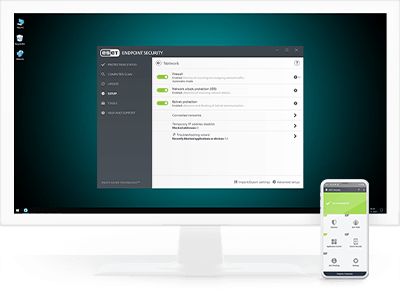
Bad actors send commands from remote servers. Blocking this traffic cuts off control. Defense stacks include firewalls that stop unwanted connections. Only allowed traffic passes, reducing the attack surface. Preventing outside communication kills the ability for bad programs to exfiltrate sensitive data or download extra malicious payloads.
Rapid incident response:
Detecting a breach provides little value without action. Tools should isolate infected machines instantly to contain damage. Automated scripts reset configurations to safe states. This limits the blast radius of any successful exploit. Faster reaction times mean less downtime and smaller recovery efforts for technical staff.
Regular system updates:
Unpatched software remains the biggest target. Attackers exploit known flaws in common programs. Automated patch management closes these holes quickly. Testing patches ensures stability before deployment. Keeping software current removes the easiest entry points for intruders. Consistent maintenance keeps the defensive wall tall and strong against incoming probes.