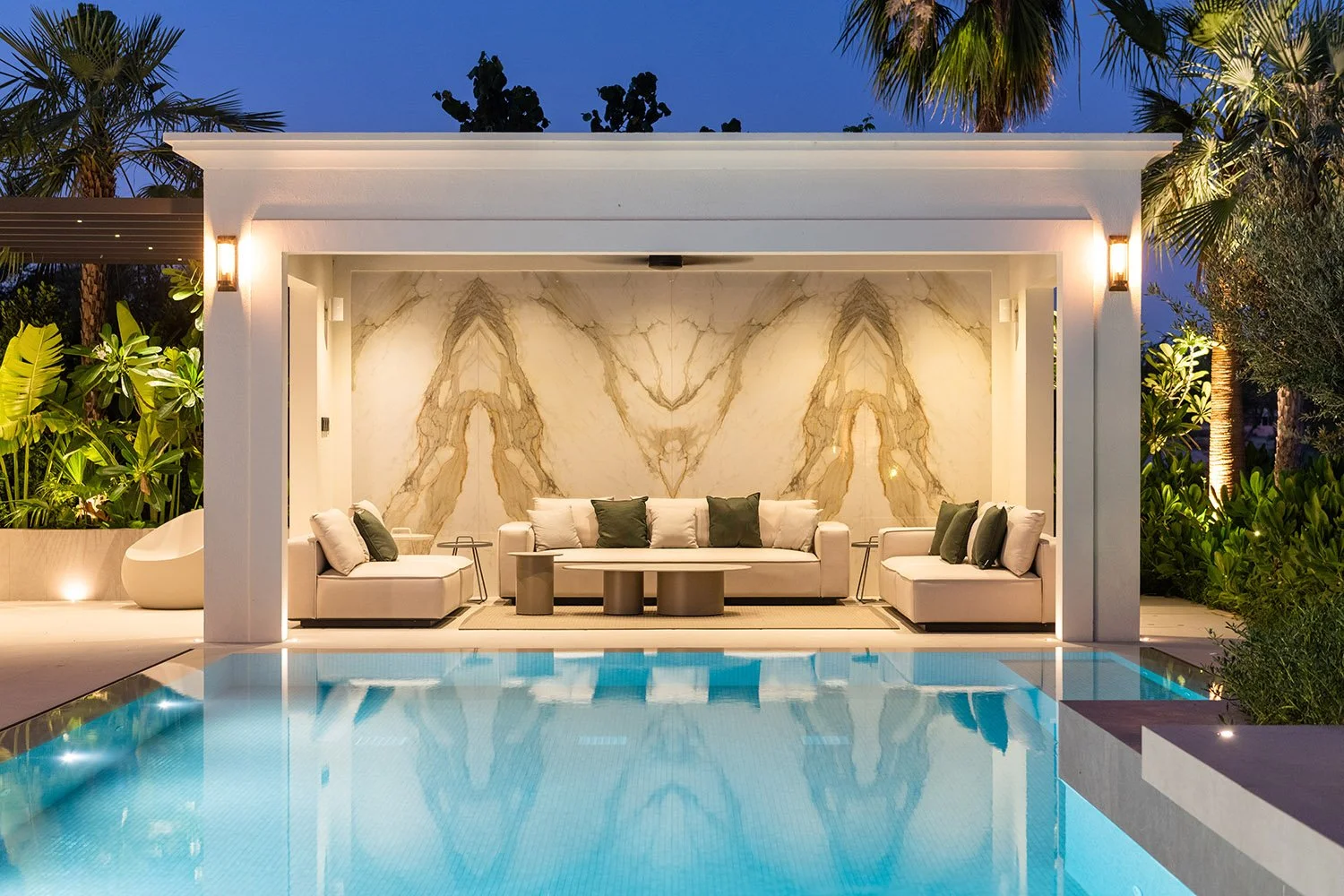
Water scarcity creates urgent challenges for green spaces. Hot summers and limited rainfall force a shift in how grounds look and function. Lush, thirsty lawns remain unsustainable relics of the past. Instead, hardy botanical choices offer beauty while conserving precious resources.
These resilient greens thrive with minimal care, proving that luxury and conservation coexist perfectly. Wise plant selection defines the aesthetic and ecological value found in modern landscape design.
Water conservation
Limited rainfall demands careful resource management. Drought-resistant species require little irrigation, saving gallons of water yearly. These plants hold moisture effectively, staying vibrant even during dry spells. Relying on nature to provide hydration lowers utility costs while keeping local water supplies stable.
Lower maintenance needs
Standard lawns demand constant mowing, weeding, and trimming. Hardy shrubs and groundcovers grow slowly and neatly. They stay healthy without chemical fertilizers or frequent intervention. Owners save hours of labor while enjoying tidy, attractive outdoor areas all year.
Supporting local ecology
Native, water-thrifty flora provides essential habitats for bees, butterflies, and birds. These creatures rely on specific regional plants for food and shelter. Planting varieties suited to dry climates invites pollinators back into residential areas, boosting biodiversity and strengthening the local environment.
Seasonal resilience
Extreme heat and unpredictable dry periods damage delicate flowers. Succulents, ornamental grasses, and tough perennials stand strong against intense sun. These resilient specimens maintain color and form throughout harsh periods, ensuring the aesthetic appeal remains consistent regardless of harsh environmental shifts.
Economic benefits
Installing drought-adapted greenery reduces ongoing expenses significantly. Irrigation bills drop immediately, and the need for expensive synthetic chemicals disappears. Durable plantings last longer than traditional sod, preventing the need for costly replacements. These choices represent a sensible investment that pays dividends over time.
Minimal water needs open doors to unique styling options. Landscapes become canvases featuring diverse textures, deep colors, and structural shapes. Stones, gravel paths, and sculptural succulents combine to create sleek, artistic arrangements. This approach creates distinct visual interest, proving that dry-climate gardening provides endless possibilities for stylish, functional outdoor settings.
Drought-tolerant plants ask little but give plenty. Shape. Scent. Color. Wildlife. A garden built with these species stays beautiful during dry months. Water bills drop. Saturday mornings free up from dragging hoses. The future of landscape design looks dry, colorful, and completely alive.